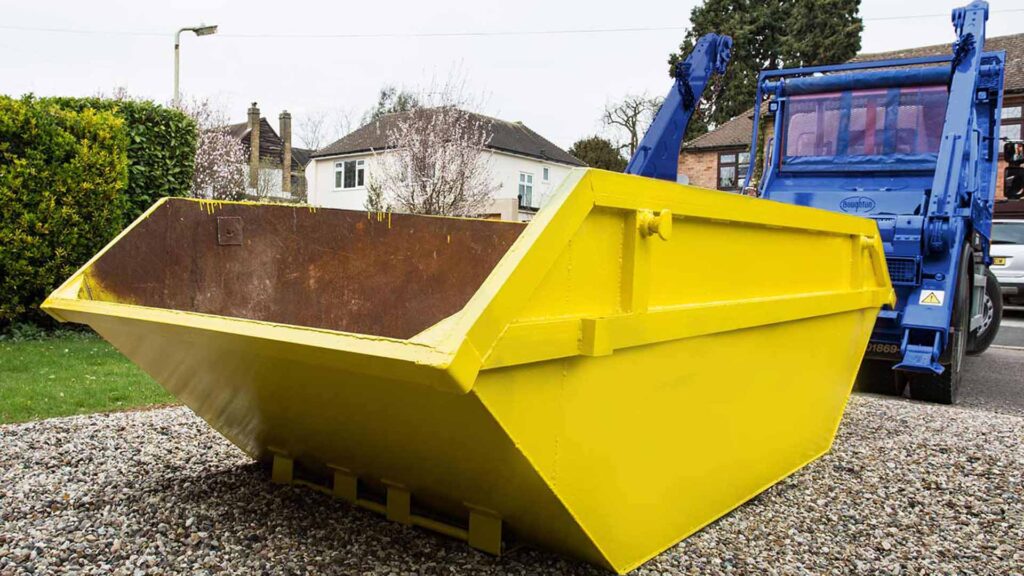
Hiring a skip is one of the most convenient ways to manage waste from home renovations, garden projects, or large decluttering jobs. However, not all items can be thrown into a skip. Understanding what can’t go in a skip is vital to ensure compliance with waste removal rules, avoid fines, and protect the environment.
This guide is written for homeowners, landlords, and small contractors, explaining the skip prohibited items UK, the rules surrounding hazardous waste skip disposal, and how professional skip hire services can help.
Why You Can’t Just Throw Anything in a Skip
In the UK, waste disposal is regulated by the Environment Agency and local councils. Waste that is hazardous, toxic, or otherwise restricted cannot be left in a standard skip because:
- It poses a risk to the environment and public health.
- Illegal disposal can lead to heavy fines, prosecution, or both.
- Unlicensed or improper disposal of certain materials is considered fly-tipping.
Professional skip hire services understand these regulations and ensure that all waste is handled correctly, recycled where possible, and legally disposed of.
1. Asbestos
Asbestos is one of the most strictly controlled materials in the UK. It can be found in old roofing sheets, insulation, and some floor tiles.
Why it’s prohibited:
- Extremely hazardous when fibres become airborne.
- Requires specialist handling and disposal.
What to do:
- Hire a licensed asbestos removal contractor.
- Do not place asbestos in a standard skip.
2. Paints, Solvents, and Chemicals
Items like oil-based paints, thinners, herbicides, and pesticides are considered hazardous waste.
Rules:
- Standard skips are not licensed to carry flammable or chemical materials.
- Spillage in transit can cause contamination.
Tip:
- Your professional skip hire service may offer collection or advice for safe disposal at local Household Waste Recycling Centres (HWRCs).
3. Batteries
Car batteries and other large batteries contain acids and heavy metals.
Why banned:
- Corrosive, flammable, and environmentally harmful.
Disposal option:
- Take to specialist recycling points or automotive retailers that accept used batteries.
4. Electrical Items (Certain Appliances)
Small domestic electricals are often accepted, but some items are restricted: fridges, freezers, air conditioning units, and other appliances containing CFCs or refrigerants.
Waste removal rules:
- These items must be treated to prevent toxic gases entering the atmosphere.
- Professional skip hire services may segregate and send these to licensed facilities.
5. Gas Cylinders and Bottles
Including LPG cylinders, fire extinguishers, and compressed gas canisters.
Why prohibited:
- Highly pressurised and flammable.
- Risk of explosion if punctured or exposed to heat.
Safe alternative:
- Return to supplier or specialist hazardous waste facilities.
6. Tyres
Tyres are considered restricted waste due to their inability to decompose safely.
Skip hire tip:
- Large professional waste removal companies can direct tyres to certified recycling centres.
7. Clinical and Biological Waste
Sharps, medical waste, and expired medications fall under clinical waste regulations.
Hazardous waste skip rules:
- Strictly regulated and cannot enter standard skips.
- Must be handled by licensed clinical waste contractors.
8. Fluorescent Tubes and Lightbulbs
Many bulbs contain mercury, which is toxic if released.
Prohibited in skips because:
- Breakage during transport can contaminate soil and air.
Professional advice:
- Most professional skip hire services advise recycling at dedicated drop-off points.
9. Pressurised Aerosols
Deodorants, spray paints, and other pressurised cans are unsafe in skips.
Why banned:
- Can explode under heat or pressure.
- Risk to transport staff and environment.
Safe disposal:
- Bring to your local HWRC or use a licensed collection service.
10. Liquids and Oils
Engine oil, cooking oil, and other liquids can leak, causing contamination.
Skip hire rule:
- Standard skips are for solid waste only.
- Liquids may require separate containment or specialist waste removal.
Additional Considerations for UK Skip Hire
Segregating Waste
Many professional skip hire services encourage separating waste into categories: general household, garden waste, wood, metal, and hazardous materials. This helps with recycling, reduces landfill contribution, and avoids fines.
Fines and Legal Consequences
Ignoring skip prohibited items UK rules can result in:
- Fines up to £5,000 or more for fly-tipping.
- Criminal charges for hazardous waste disposal.
- Personal liability if someone is injured from your skip.
Benefits of Using a Professional Skip Hire Service
- Compliance: Ensures your waste is sorted and disposed of according to UK laws.
- Safety: Trained staff handle heavy, bulky, and hazardous materials.
- Convenience: Skip is delivered and collected on time, saving trips to recycling centres.
- Sustainability: Many companies recycle or donate items where possible.
Common Questions About Skip Prohibited Items
Q1: Can I put paint in a skip if it’s almost empty?
- Only small, dried-out quantities may be accepted in some cases. Always check with your professional skip hire service first.
Q2: Can electrical appliances go in a skip?
- Small electricals usually yes, but fridges, freezers, and air conditioning units require specialist treatment.
Q3: What happens if I put prohibited items in my skip by mistake?
- The skip company may refuse collection, issue additional charges, or alert authorities if hazardous.
Tips for Safe and Legal Skip Hire
- Use licensed skip hire services – check Environment Agency registration.
- Ask about prohibited items before booking.
- Plan your skip size and type to reduce the risk of overfilling.
- Segregate hazardous items for separate disposal.
- Document your waste – keep receipts or transfer notes in case of inspection.
Final Thoughts from WeDump4U
Knowing what can’t go in a skip is critical for homeowners, tradespeople, and anyone planning a large clearance project. Following waste removal rules protects the environment, ensures compliance with UK law, and keeps you and your neighbours safe.
Professional skip hire services are the safest, most efficient way to manage your waste. They understand which items are prohibited, handle hazardous materials, and make your project easier, faster, and legal. Always plan ahead, ask questions, and sort your waste to make the most of your skip hire experience.
By following these guidelines, you can avoid fines, protect the environment, and complete your project with peace of mind.