Household waste levels rarely stay consistent throughout the year. Instead, they tend to rise and fall with the seasons. Spring often brings garden maintenance and outdoor projects, summer encourages home improvements, autumn produces natural garden debris, and winter usually results in indoor decluttering and festive waste.
For homeowners across the UK, understanding these seasonal patterns can make waste management much easier. By anticipating when waste levels will increase, you can plan ahead and choose the most efficient disposal methods.
Whether you’re arranging garden waste removal services, organising winter waste clearance, booking spring clean skip hire, or dealing with Christmas rubbish disposal, the right approach will help keep your home organised and compliant with UK waste regulations.
Why Seasonal Waste Removal Planning Matters
Many homeowners only deal with waste when it becomes difficult to ignore. However, planning waste removal throughout the year offers several advantages for both convenience and cost.
Seasonal waste management helps homeowners:
- Prevent clutter from building up
- Avoid overflowing bins during busy periods
- Maintain a tidy and safe property
- Dispose of waste legally and responsibly
- Choose the most cost-effective waste removal method
By recognising when certain types of waste are most likely to occur, you can avoid last-minute solutions and instead rely on well-planned disposal methods such as recycling services, council collections, or professional skip hire services.
Spring Cleaning and Garden Waste Removal in the UK
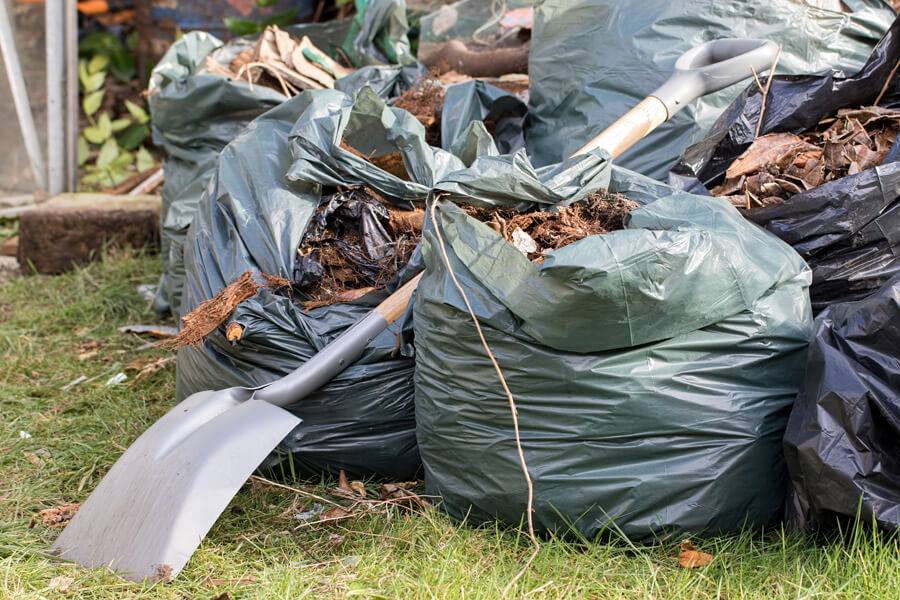
Spring is widely considered the busiest time of year for garden waste removal in the UK. As temperatures begin to rise and daylight hours increase, homeowners naturally start focusing on outdoor maintenance.
After months of winter weather, gardens often require significant work. Plants need trimming, lawns need cutting, and accumulated debris must be cleared before the growing season begins.
Typical spring garden waste includes:
- Hedge trimmings and branches
- Grass cuttings
- Leaves and plant debris
- Soil and turf from landscaping projects
- Broken garden furniture or pots
While smaller amounts of garden waste can usually be handled through council collections, larger garden clear-outs often require more efficient removal solutions.
Garden Waste Removal UK: Practical Disposal Options
When dealing with garden waste removal, homeowners generally have several disposal options available depending on the size of the project.
For smaller gardens, many councils operate garden waste bin schemes. These allow residents to dispose of organic materials such as grass cuttings, hedge trimmings and leaves through scheduled collections. However, these services often have limits on the amount of waste that can be collected at one time.
Composting is another environmentally friendly option. Materials such as leaves, vegetable scraps and plant stems can break down naturally and produce nutrient-rich compost that benefits garden soil.
For larger projects, professional garden waste removal services can provide a much quicker solution. These services collect large volumes of green waste directly from your property and transport it to licensed recycling or composting facilities.
Spring Clean Skip Hire for Larger Garden Projects
Garden transformations often produce more waste than people expect. Landscaping projects, patio installations and major pruning can quickly generate piles of soil, branches and broken materials.
In these situations, spring clean skip hire becomes an extremely practical option.
Hiring a skip allows homeowners to dispose of several types of garden waste in one place, including:
- Soil and turf
- Tree branches
- Hedge cuttings
- Broken paving slabs
- Old garden furniture
Having a skip on-site throughout the project keeps the workspace organised and prevents waste from spreading around the garden.
Summer Waste Removal: DIY Projects and Renovations
Summer is the peak season for home improvements. With warmer weather and longer daylight hours, many homeowners take the opportunity to complete renovation projects they have been planning for months.
Typical summer projects include:
- Building decks or patios
- Installing fences or garden structures
- Renovating kitchens or bathrooms
- Replacing flooring or roofing materials
While these upgrades improve a home, they also create a considerable amount of waste.
Common renovation waste includes:
- Timber offcuts
- Old fixtures and fittings
- Packaging from construction materials
- Broken tiles or bricks
- Insulation and plasterboard
Managing this waste efficiently is important not only for safety but also for keeping projects running smoothly. Professional waste removal services or skip hire services can ensure that debris is removed quickly and responsibly.
Autumn Garden Waste Removal: Handling Seasonal Debris
As summer ends and temperatures begin to drop, gardens enter another period of heavy maintenance. Autumn is particularly known for producing large volumes of organic waste, especially in areas with mature trees.
Leaves, branches and dying plants often accumulate quickly, creating messy outdoor spaces if left unmanaged. This is why demand for garden waste removal services increases again during autumn.
Managing Autumn Garden Waste
Autumn garden maintenance focuses mainly on clearing debris and preparing outdoor spaces for winter. Regular clean-ups help prevent leaves from blocking drains or becoming slippery hazards on paths and driveways.
Common autumn garden waste includes:
- Fallen leaves
- Dead plants
- Storm-damaged branches
- Old garden decorations
- Cleared vegetable patches
To stay on top of autumn waste, homeowners should aim to clear leaves regularly and cut back dying plants before the winter months arrive.
For larger gardens, professional garden waste removal services can help remove large piles of organic debris quickly, saving time and effort.
Winter Waste Clearance: Indoor Decluttering
During winter, waste removal tends to shift indoors. As colder weather limits outdoor work, many homeowners begin focusing on clearing storage spaces inside the home.
Garages, lofts and spare rooms often accumulate clutter over time, making winter the ideal period for organising and decluttering.
Common items removed during winter waste clearance include:
- Old furniture
- Broken appliances
- Storage boxes and unwanted household items
- Outdated decorations
- General household clutter
Professional waste removal services can be particularly helpful during winter when bulky items need to be removed from the property.
Christmas Rubbish Disposal: Managing Festive Waste
The festive season creates a surprising amount of household waste in a very short period of time. Gifts, decorations and large quantities of packaging can quickly overwhelm normal bin collections.
Common types of Christmas rubbish disposal include:
- Cardboard boxes from deliveries
- Wrapping paper and gift bags
- Plastic packaging
- Broken decorations
- Old electronics replaced by gifts
Managing this waste efficiently helps keep homes organised during the busiest time of year.
Simple steps such as flattening cardboard boxes, separating recyclable materials and disposing of packaging promptly can make a significant difference.
For households undertaking large decluttering projects around Christmas or New Year, skip hire services can provide an easy way to remove unwanted items all at once.
When Professional Waste Removal Makes Sense
While council waste services handle many types of household rubbish, there are situations where professional waste removal becomes the most practical option.
These situations often include:
- Large garden clearances
- Renovation or construction projects
- House clearances
- Garage or loft decluttering
- Moving house
Professional waste removal companies have the equipment and transport needed to handle larger volumes of waste safely and efficiently.
Environmentally Responsible Waste Disposal
Sustainability is an increasingly important part of modern waste management. Many waste removal companies aim to recycle or reuse as much material as possible rather than sending it to landfill.
Examples of environmentally responsible waste disposal include:
- Composting garden waste
- Recycling wood, metal and plastics
- Donating reusable household items
- Separating recyclable materials before disposal
By using licensed waste carriers and following proper recycling practices, homeowners can reduce their environmental impact while keeping their homes tidy.
Managing Waste Throughout the Seasons
Waste management is an ongoing part of maintaining any home. However, understanding how waste levels change throughout the year can make the process far more manageable.
Spring usually brings heavy demand for garden waste removal services, summer projects may require spring clean skip hire, autumn produces natural garden debris, and winter often involves winter waste clearance and Christmas rubbish disposal.
By planning ahead and using the right disposal solutions for each season, homeowners can keep their properties organised, safe and environmentally responsible all year round.
Professional waste removal services and skip hire services offer a convenient solution when waste volumes become too large for standard bin collections, ensuring that rubbish is handled efficiently and disposed of legally.