Inherited a House in Plymouth Full of Waste? Where Do You Start?
Inheriting a house is one thing. Inheriting a house that is still full of somebody else’s possessions is something else entirely.
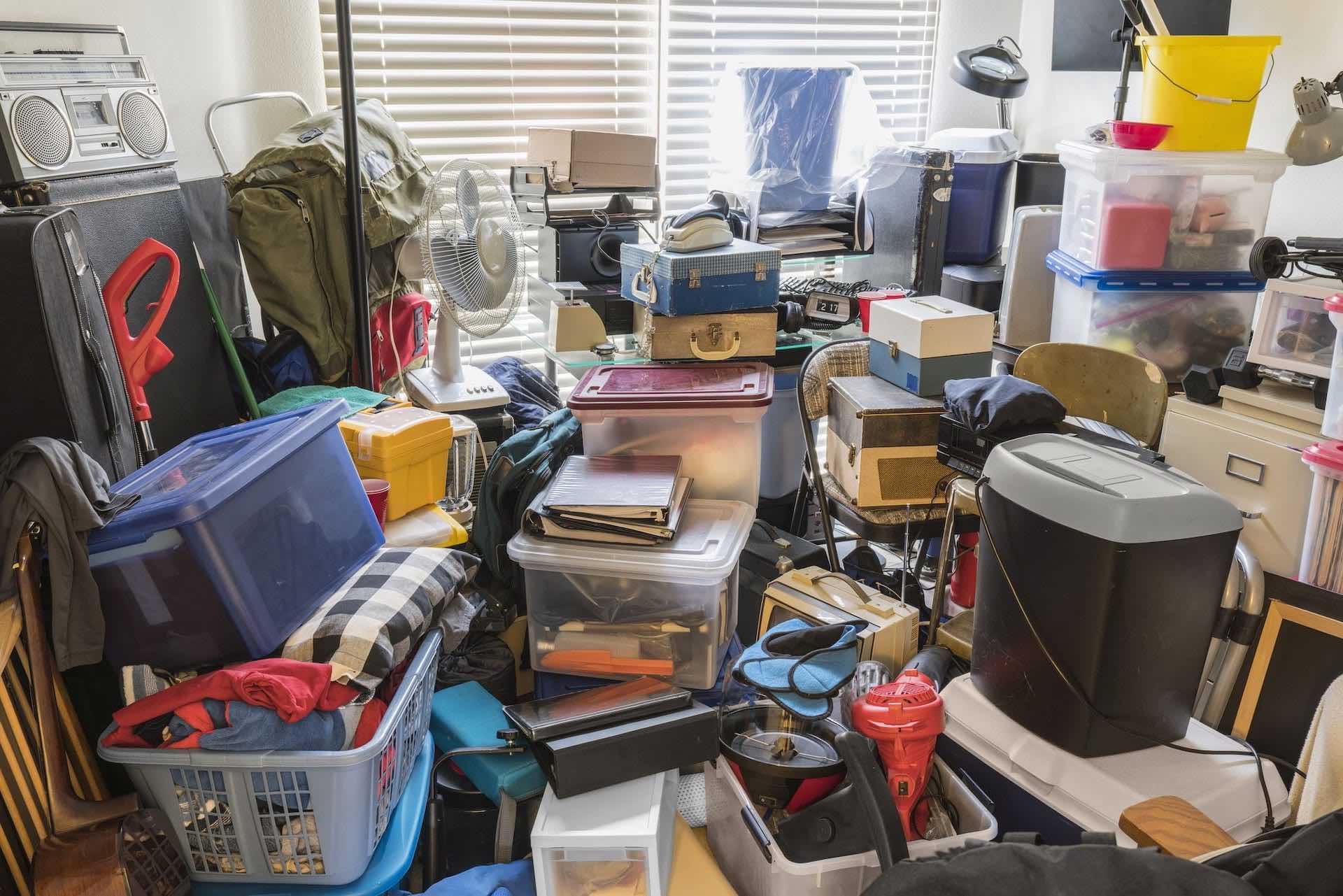
For many people, the property itself is only part of what they have inherited. There may be decades of furniture, paperwork, clothing, household items, possessions stored in the loft, an overfilled garage, a shed full of old tools and chemicals, or rooms that have gradually become storage spaces.
And before you can even think seriously about selling, renting, renovating or moving into the property, there is often one obvious problem to deal with first: how do you clear it?
The temptation is to start immediately. Pick a room, grab a bin bag and begin sorting.
That can be useful. But when it comes to removing waste from an inherited house, starting too quickly can sometimes create more problems than it solves.
There may be important documents mixed in with apparently worthless paperwork. There may be valuables that nobody knew existed. Other family members may want particular possessions. And, depending on your role in dealing with the estate, there can be legal and financial reasons not to simply empty the house before understanding what is there.
The first job, therefore, isn’t necessarily waste clearance.
It’s getting a clear picture of what you’ve inherited.
Before inherited house waste removal, understand what you are dealing with
A house that appears to be full of rubbish is not always actually full of rubbish.
That might sound obvious, but it becomes particularly important when dealing with a property following a death.
The person responsible for administering an estate can have legal responsibilities for the deceased person’s money, property and possessions. GOV.UK explains that the executor or administrator is responsible for the estate’s assets during the administration period and may need to value those assets before the estate can be dealt with and distributed.
This doesn’t mean every old chair, box of books or item of clothing needs a professional valuation.
It does mean that emptying a property indiscriminately before checking what is inside can be a mistake.
Start by walking through the house without removing anything. Open cupboards, check drawers, look in the loft and garage, and make a rough assessment of the scale of the job.
You are trying to understand three things.
First, what appears to have genuine financial or sentimental value?
Second, what needs to be checked before disposal, such as paperwork, photographs or personal documents?
And finally, how much of the property is genuinely made up of unwanted items and waste?
Only once you have that picture does inherited house waste clearance become much easier to plan.
The biggest mistake is treating everything as waste
When you’re standing in a house that has accumulated 30 or 40 years of possessions, it is understandable to want the quickest possible solution.
The trouble is that houses often contain things that have been put away and forgotten rather than deliberately stored.
Important paperwork is a good example. Financial records, insurance documents, property information and other personal papers can end up mixed with old magazines and general household clutter.
There may also be photographs, family documents, jewellery or other possessions tucked away in places that aren’t immediately obvious.
You don’t need to spend six months analysing every item in the property. In fact, that approach can make the entire process feel impossible.
But before arranging waste clearance, it is sensible to carry out a basic first sort. Think of it as creating a safety net before the real clearance begins.
Anything clearly valuable, important, personal or potentially relevant to the estate should be set aside. Once that initial check has been completed, decisions about the remaining contents become considerably simpler.
Start with the easiest areas, not necessarily the first room you see
A common approach is to begin in the most obvious room and work systematically through the house.
There is nothing wrong with that, but it isn’t always the most practical way to tackle an inherited property.
If one bedroom is relatively clear while the loft, garage and garden shed are packed with years of accumulated belongings, starting with the easy bedroom may not tell you much about the actual scale of the job.
Instead, identify where the volume is.
Lofts, garages, sheds, cellars and spare rooms often account for a disproportionate amount of the waste generated during a house clearance. These are the areas where things tend to be stored rather than regularly used.
They are also where people often discover that a job they thought could be handled with a few recycling centre trips is actually much larger.
This is the point where it can be useful to get an experienced waste clearance company to assess the property. A professional quotation can help establish the likely volume of waste, access requirements and whether a full house clearance, staged removal or another solution makes the most sense.
Removing waste from an inherited house doesn’t have to mean doing everything yourself
There is often an assumption that clearing an inherited house should begin with the family doing all of the sorting and lifting themselves.
Sometimes that works perfectly well, particularly where the property is relatively uncluttered and there is no immediate time pressure.
But it can become much more difficult when the house is full, family members live elsewhere or there is a deadline attached to the property.
You may need to travel repeatedly to Plymouth. You may only have weekends available. There may be several relatives involved, each with different ideas about what should be kept.
The physical work can also be underestimated. Clearing a house isn’t simply a case of putting things into boxes. Furniture has to be moved, waste has to be carried, and bulky items have to be transported or collected.
Professional inherited house waste removal can take much of that logistical burden away.
That doesn’t mean handing over everything without involvement. A good approach is often to complete the important initial sorting yourself, remove anything the family wants to keep, and then arrange waste clearance for the remaining unwanted contents.
This gives you control over the important decisions without turning every single item of waste into a family project.
Not everything left behind will be suitable for the same disposal route
Inherited properties often contain a mixture of very different materials.
There may be ordinary household waste alongside furniture, electrical appliances, old paint tins, garden equipment, mattresses and items that have been sitting in a garage for decades.
That matters because different materials can require different disposal methods.
Plymouth City Council’s bulky waste collection service can collect a range of larger household items, including furniture, mattresses, electrical items and white goods. However, its service does not accept building or DIY waste, asbestos, chemicals, paint, car parts or tyres. The council also specifies that only items included in the booking can be collected and that access and size requirements apply.
For a full inherited property, this is why relying on one disposal route can become difficult. A bulky waste collection may deal with the sofa and washing machine, but not necessarily the shed full of old paint or other materials.
Chelson Meadow Recycling Centre accepts a wider range of household materials, including electrical items, household chemicals, paint, gas bottles and certain DIY waste, although Plymouth’s rules and charges can vary depending on the material and circumstances.
The practical lesson is not to assume that everything can simply be loaded into one vehicle and dealt with in one place.
A professional waste clearance service should identify these issues before removal, particularly where potentially hazardous or restricted materials are involved.
Don’t leave inherited house waste outside while you decide what to do
When a property is being cleared, it can be tempting to move unwanted items onto the pavement, driveway or outside area to create space inside.
This can create a new problem.
Plymouth City Council states that bulky or excess waste should be stored on the property until it is removed or collected by a registered waste carrier. The council warns that waste left out without proper arrangements can result in enforcement action and fixed penalty notices.
This is particularly relevant when dealing with an inherited property because clearance often happens gradually.
One room gets sorted, and the unwanted items are moved outside. Then another room is cleared. Before long, there is a growing pile that has no collection arranged.
Keeping waste contained until a collection or removal is booked is both more practical and less likely to create problems with neighbours or the council.
Check out our guide on what can and can’t be taken in a house clearance project ->
The recycling centre can help, but consider the size of the job realistically
For smaller amounts of waste, taking items to a recycling centre can be a perfectly sensible option.
Plymouth has recycling centres at Chelson Meadow and Weston Mill, although the sites have different opening arrangements, accepted materials and vehicle restrictions. Proof of a Plymouth address is required to use the facilities, and vans and trailers are not permitted at Weston Mill.
The question is whether the inherited property genuinely represents a small job.
A few bags, some cardboard and a broken chair may be easy to manage yourself.
An entire house containing furniture, loft contents, electrical items and years of accumulated belongings is a different proposition. Multiple tip runs can quickly become time-consuming, especially if you are travelling from outside Plymouth or trying to clear the property around work and family commitments.
This is where removing waste from an inherited house becomes less about finding the cheapest individual disposal method and more about finding the method that actually allows the property to be cleared efficiently.
Waste clearance is only one part of getting the house ready for its next stage
Once the house has been cleared, the next steps depend on what is happening to the property.
You may be preparing it for sale. You may need to carry out repairs or renovation work. The property may be transferred to a beneficiary, rented out or eventually occupied by a family member.
GOV.UK notes that personal representatives are responsible for dealing with estate assets during the administration period, while property and other assets may need to be managed or sold as part of the wider estate process.
This is why it is helpful to think of waste clearance as part of a wider process rather than an isolated job.
The purpose isn’t simply to get everything out as quickly as possible. It is to take the property from its current state to one where you can properly assess it and decide what happens next.
A cleared house is easier to value, photograph, repair, renovate and prepare for sale. More importantly, it gives you a clear view of the property itself rather than the possessions that have accumulated inside it.
Inherited House Waste Clearance: A Sensible Order to Follow
When faced with an inherited house full of possessions and waste, the process is usually easier when broken into stages.
Start by establishing your role in dealing with the estate and, where necessary, taking appropriate legal or professional advice before disposing of assets. GOV.UK provides guidance on probate, estate administration and the responsibilities of executors and administrators.
Then carry out an initial walkthrough of the property. Identify documents, valuables, sentimental belongings and anything family members may want to keep.
After that, assess the actual volume of unwanted contents. This is the point where you can make an informed decision about whether DIY disposal, a council collection, skip hire or professional house clearance is the right option.
Finally, arrange the removal of the remaining waste through an authorised and appropriate service.
It sounds simple written down, but taking this approach can prevent one of the biggest problems with inherited properties: starting the physical clearance before you know what you are clearing.
An inherited house can feel overwhelming before you’ve even opened the first cupboard.
The important thing is not to see the entire property as one enormous task that has to be completed immediately.
Start by understanding what is there. Protect anything important. Get a realistic idea of the volume involved. Then decide how the inherited house waste removal should actually be handled.
For a small property with relatively little unwanted waste, a few recycling centre trips or a council collection may be enough. For a larger property, or one that has accumulated years of furniture and belongings, professional waste clearance can make the process significantly more manageable.
The goal is not simply to empty the house as quickly as possible.
It is to clear it properly, avoid accidentally disposing of something important, handle waste responsibly and get the property ready for whatever comes next.
Contact us
"*" indicates required fields