
Most home renovations are planned around the transformation. New kitchens, updated bathrooms, open-plan living spaces, fresh flooring. The visible improvements that make the disruption feel worth it.
What rarely gets factored in properly is what happens after the work finishes.
Once the trades have left and the main build is complete, there’s usually a final stage that doesn’t feel like part of the renovation at all: dealing with the waste. And this is where many homeowners realise the job isn’t actually finished yet.
Across the UK, and particularly in places like Plymouth and Devon where many properties involve older layouts and tighter access, renovation waste is often more extensive than expected. It doesn’t just sit neatly in one place, and it doesn’t disappear without planning. It becomes a separate task that often requires either skip hire, waste removal services, or in larger cases, a full house clearance approach.
Renovation waste builds gradually, then appears all at once
One of the reasons people underestimate post-renovation waste is because it builds in layers.
At the start of a project, waste looks predictable. Old units come out, tiles get removed, flooring is lifted, and there’s a clear expectation of what needs disposing of. This is usually when a skip hire service is booked, and everything seems manageable.
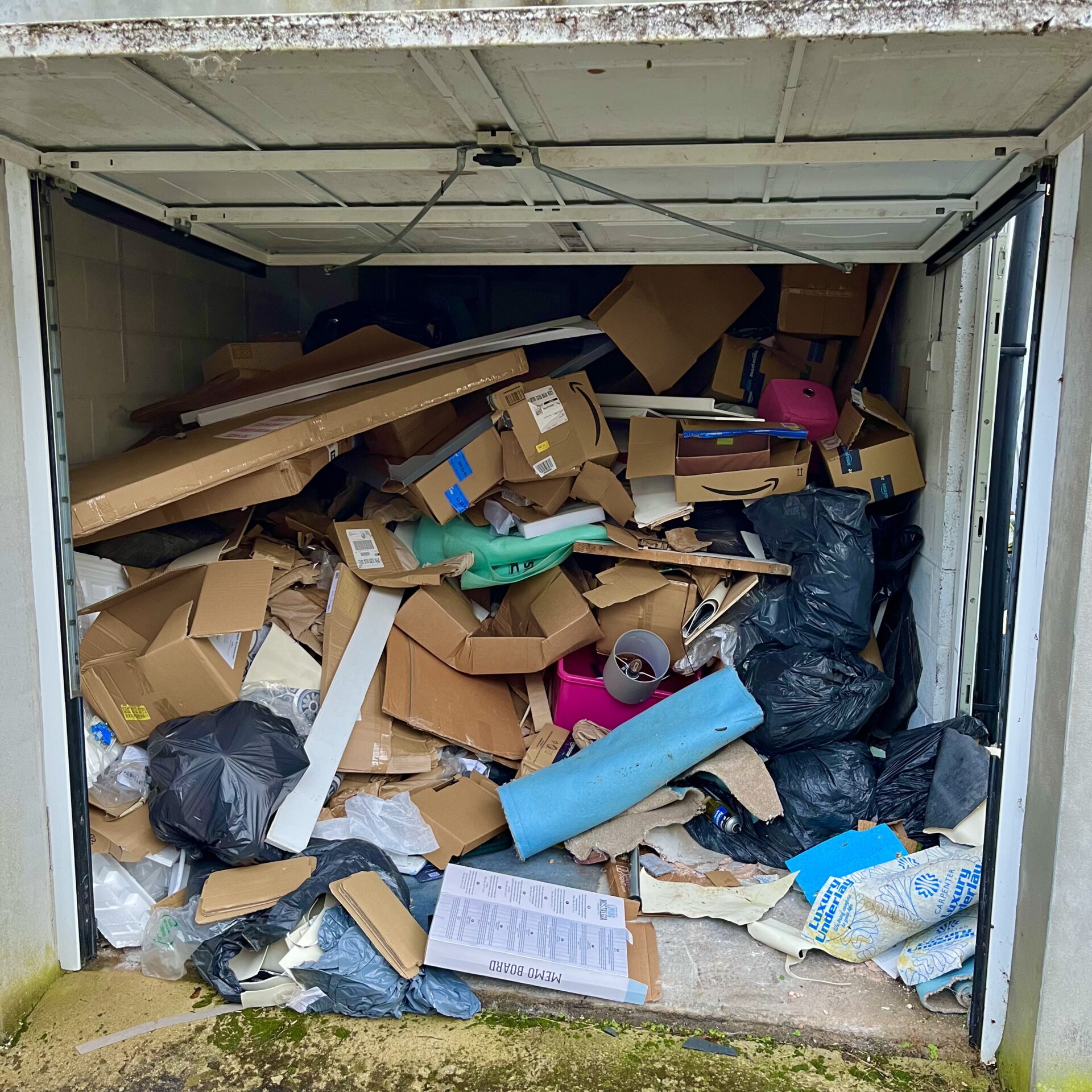
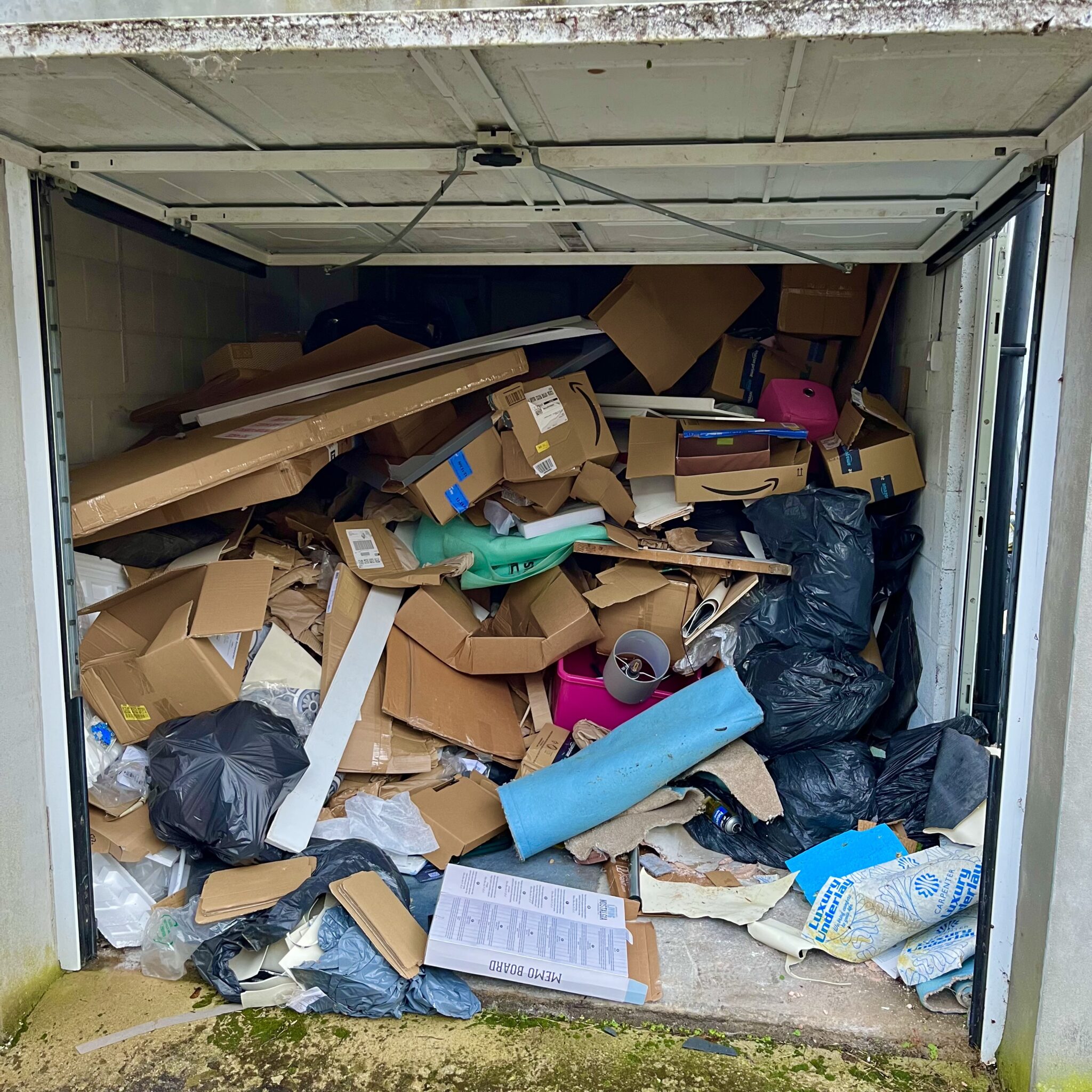
But as the project progresses, waste starts accumulating in less obvious ways. Packaging from deliveries, protective materials, offcuts, broken sections of fittings, and general debris don’t always go into the skip straight away. They get moved aside, stored temporarily, or left until the end of the job.
By the time the renovation is finished, all of that material ends up in one place. That’s when homeowners realise the actual volume is far greater than expected, and why a second skip hire or additional waste removal service is often needed.
Why renovation waste doesn’t behave like normal household rubbish
One of the biggest misconceptions is assuming renovation waste behaves like regular bin waste. It doesn’t.
Materials like rubble, timber, plasterboard, and old fixtures don’t stack efficiently. Even when broken down, they create awkward shapes and empty spaces that reduce how much fits into a skip.
This is where skip hire sizing mistakes usually happen. A skip that seemed large enough at the beginning of a project often fills far quicker than expected once waste is loaded in properly. Bulky items like kitchen units or bathroom fittings take up far more space than loose rubbish, and dense materials like soil or bricks add weight constraints on top of volume issues.
When this happens, homeowners are often forced to either upgrade their skip, arrange additional collections, or switch to a waste removal service that can handle mixed loads more efficiently.
The hidden waste problem that appears at the end of a renovation
Every renovation leaves behind what could be described as “secondary waste”. This isn’t the main construction debris, but everything created around it.
It includes packaging from new materials, protective coverings, unused fittings, and leftover items that were temporarily set aside during the project. It also includes small fragments that accumulate during demolition or installation work.
Individually, none of this feels significant. But once the project is complete, it becomes a visible problem that often takes up more space than the main waste itself.
This is one of the reasons house clearance services are increasingly used after larger renovations. When waste is spread across multiple rooms, lofts, garages, and outdoor areas, a structured clearance becomes more practical than trying to manage it through multiple skip hire cycles.
Why DIY waste removal becomes difficult after renovations
Many homeowners initially try to manage renovation waste themselves. A few trips to the local recycling centre, some bin bags, and possibly a hired van seem like a reasonable approach.
In reality, it rarely works out that simply.
Plymouth recycling centres often have restrictions on construction materials, and certain items like plasterboard or heavy rubble may require separate disposal rules. Large or awkward items also become difficult to transport without the right vehicle, and multiple trips quickly add time, fuel costs, and physical effort.
What often starts as a cost-saving exercise ends up taking significantly longer than expected, especially once the main renovation work is already finished and energy levels are low.
This is typically the point where homeowners reconsider and look at either skip hire for remaining waste or a professional waste removal service to complete the job in one go.
When waste stops being manageable and becomes a separate job
There is usually a clear point where renovation waste stops being something that can be handled gradually and becomes a standalone task.
It often happens when waste begins affecting the use of the property. A garage becomes unusable because it’s full of leftover materials. A driveway gets blocked with rubble and packaging. Or internal rooms still feel partially “under construction” despite the main work being complete.
At this stage, continuing with small-scale disposal methods doesn’t make much sense. The waste is no longer incidental, it has become part of the space itself.
This is where skip hire alone may not be enough, especially if access is limited or waste types are mixed. A full waste removal service or house clearance approach becomes more practical because it allows everything to be cleared in a single coordinated process.
Why older UK homes create more post-renovation waste
In areas like Plymouth and across Devon, many properties are older terraced homes or converted buildings. These tend to produce more complex waste situations during renovations.
As work progresses, hidden materials often emerge. Old layers of flooring, outdated fittings, and previously covered structural elements can all contribute to unexpected waste volume. This is particularly common in properties that have been renovated multiple times over the years.
Because of this, skip hire estimates are often based on visible waste alone, rather than what is uncovered during the project. It’s one of the reasons final waste volumes regularly exceed initial expectations in older homes.
Why skip hire and house clearance often overlap after renovations
After a renovation, it’s common for homeowners to use a combination of skip hire and waste removal services rather than relying on just one method.
Skips work well during the active phase of a project, where waste is being generated continuously. But once the renovation is complete, the remaining waste is often more varied and scattered, which is where a house clearance or waste removal team becomes more effective.
Instead of managing multiple loads or sorting waste into separate streams, a clearance service can remove everything in one process, particularly when items are spread across different parts of the property.
This combination approach is often more efficient than continuing to rely on additional skips once the main work is finished.
The waste problem after home renovations isn’t something most people think about at the start of a project, but it almost always becomes one of the final stages of the job.
While skip hire is usually planned for during the build itself, and waste removal services are often used for larger or mixed loads, the reality is that post-renovation waste doesn’t follow a simple pattern. It builds gradually, spreads across the property, and often requires more attention than expected once the main work is complete.
Understanding this from the outset helps avoid the common situation where a renovation feels finished, but the space still isn’t usable because of leftover waste.
In most cases, the real completion point isn’t the end of construction. It’s the moment when all remaining waste has been properly cleared through either skip hire, professional waste removal, or a full house clearance service. Leaving the space ready to actually live in.